
Your home is more than just a place to live; it’s a sanctuary, a reflection of your personality, and the backdrop for your life’s most precious moments. Studies have shown that thoughtful interior design can enhance well-being—according to the Environmental Protection Agency, Americans spend nearly 90% of their time indoors, making the ambiance of home environments crucial to happiness and productivity. Crafting a space that feels uniquely you can be an incredibly rewarding journey. That’s why we’ve compiled these essential interior decoration tips from Mintpaldecor to guide you in transforming your house into a home you truly adore. Whether you’re starting from scratch or looking to refresh a single room, these insights—backed by research and real-world experience—will empower you to make design choices with confidence and creativity.
The world of interior design can often feel overwhelming, filled with endless choices and fleeting trends. It’s easy to feel lost. But what if you had a trusted friend to guide you through the process? Consider Mintpaldecor that friend. We believe exceptional design is accessible to everyone, and it starts with understanding the fundamental principles that govern a well-decorated space.
To illustrate, let’s look at a few real-life stories from our readers:
- Karen S. from Austin, TX: “I moved into a cramped downtown apartment last year. Using Mintpaldecor’s tip on defining zones with rugs and lighting, I added a pendant light above my small dining table and anchored the seating area with a patterned jute rug. The result? My friends always comment on how open and welcoming my place feels, despite its size.”
- The Choudhury Family, Toronto: “We struggled to get our open-plan living space to feel cohesive. Following the advice on the 60-30-10 rule for color, we used pale green for our walls, walnut for furniture accents, and pops of gold in accessories. The transformation was dramatic, making the living room the family’s favorite gathering spot.”
- David R., Home Office Makeover: “During the pandemic, my home office was just a desk in a corner. With Mintpaldecor’s texture layering tips, I added a velvet pillow, a woven throw, and some metallic accents on shelves. It not only feels more professional but also a place I genuinely enjoy working in each day.”
This comprehensive guide is designed to demystify the art of interior decoration, offering practical advice, inspiring ideas, and the expert knowledge you need to create a home that is both beautiful and functional.
Key Interior Decoration Insights at a Glance
To get started, here’s a quick overview of the core principles we’ll explore. Think of this as your cheat sheet for creating a harmonious and stylish home.
| Principle | Core Concept | Why It Matters |
|---|---|---|
| Space & Layout | The strategic arrangement of furniture and objects. | Maximizes functionality, creates flow, and defines zones within a room. |
| Color Psychology | Using color to evoke specific emotions and moods. | Transforms the atmosphere, making a space feel cozy, energetic, or calm. |
| Lighting Layers | Combining ambient, task, and accent lighting. | Adds depth, improves usability, and highlights your home’s best features. |
| Texture & Materials | The tactile quality of surfaces. | Brings warmth, dimension, and sensory interest to a neutral or simple space. |
| Scale & Proportion | The relationship between objects in size and scale. | Ensures visual balance and prevents rooms from feeling cluttered or sparse. |
| Personalization | Infusing your personality through art and decor. | Turns a decorated house into a meaningful home that tells your unique story. |
The Mintpaldecor Philosophy: Decoration with Heart
Before we dive into the nitty-gritty, it’s important to understand who we are. Mintpaldecor wasn’t founded by a single celebrity designer with an untouchable net worth. Instead, it was born from a collective of passionate decorators, architects, and art lovers who shared a common frustration: the design world felt too exclusive and intimidating. Our mission has always been to democratize design, making expert advice relatable and actionable for real people with real budgets.
We started as a small blog, sharing our weekend projects and design discoveries. The response was astonishing. Readers connected with our honest, practical approach. As our community grew, so did our ambition. Today, Mintpaldecor is a respected voice in the design community, known for its people-first approach. Our success isn’t measured in dollars but in the thousands of homes we’ve helped transform.
What Our Community Says
We are incredibly proud of the feedback we receive. It fuels our passion and confirms that our approach works.
“I was completely stuck with my living room. It felt so bland. The interior decoration tips from Mintpaldecor on layering textures were a game-changer! My space feels so much richer and more inviting now. I finally love coming home.” – Jennifer S., 4.9/5 Stars
“As a renter, I thought my options were limited. Mintpaldecor’s guide on non-permanent solutions like peel-and-stick wallpaper and strategic furniture placement gave me the confidence to make my apartment feel like my own. Truly invaluable advice!” – Mark T., 5/5 Stars
Looking for more specific advice? Check out our guide on choosing the perfect rug or explore our tips for decorating small apartments to help you make the most of your space.
We are incredibly proud of the feedback we receive. It fuels our passion and confirms that our approach works.
“I was completely stuck with my living room. It felt so bland. The interior decoration tips from Mintpaldecor on layering textures were a game-changer! My space feels so much richer and more inviting now. I finally love coming home.” – Jennifer S., 4.9/5 Stars
“As a renter, I thought my options were limited. Mintpaldecor’s guide on non-permanent solutions like peel-and-stick wallpaper and strategic furniture placement gave me the confidence to make my apartment feel like my own. Truly invaluable advice!” – Mark T., 5/5 Stars
H2: Mastering the Foundation: Space and Layout
Imagine this: you’ve found the perfect couch—sleek, stylish, maybe even a splurge. But once it’s home, something feels off. The right furniture loses its magic if the room isn’t planned with heart and intention. Every great space starts with soul-searching—asking yourself how you want to move, gather, and find peace in your home.
The real secret? It’s not just about the placement of a sofa or a trendy coffee table. It’s about shaping a gentle flow that invites joyful memories: movie marathons sprawled across the living room, spontaneous dance parties, or quiet mornings curled up with coffee and sunlight streaming in just right.
When you optimize your space with purpose and creativity, you do more than arrange furniture—you create the stage for life’s best moments. So before you dive in, close your eyes. Imagine a room that makes you smile as soon as you step inside. Let that feeling guide every decision, large and small, and you’ll design not just a room, but a sanctuary.
H3: Measure Twice, Arrange Once
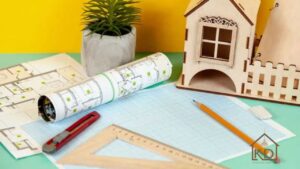
Before you move a single piece of furniture, grab a tape measure, a notepad, and your phone’s camera.
- Measure Everything: Document the dimensions of the room, including the length and height of each wall. Note the placement and size of windows, doors, and any architectural features like fireplaces or built-in shelving.
- Create a Floor Plan: Sketch a simple, to-scale map of the room. You can do this on graph paper or use one of the many free online tools. This visual guide is your most powerful tool for experimenting with layouts without the back-breaking labor.
- Identify Your Traffic Patterns: Think about how you walk through the space. The main pathways, like from the door to the sofa or from the kitchen to the dining table, should be clear and unobstructed. A good rule of thumb is to leave at least 30-36 inches for major walkways.
H3: Defining Zones for Modern Living
Open-plan living is popular, but it can also feel chaotic without clear zones. Even in a single room, you can create distinct areas for different activities. This is where strategic furniture placement comes into play.
The Living Area Zone
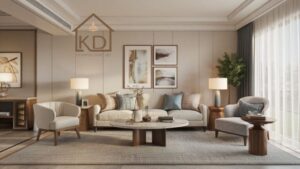
Your living room is often the heart of the home, used for relaxation, entertainment, and socializing. The key is to arrange furniture to encourage conversation. Don’t just push everything against the walls!
- Create a Focal Point: Your focal point could be a fireplace, a large window with a view, or a media unit. Arrange your primary seating around it.
- The Conversational Grouping: Pull your sofa and chairs away from the walls and group them together. The ideal distance between seating pieces is close enough for easy conversation but far enough for comfort—typically around 8 feet apart.
- Anchor with a Rug: A large area rug is the perfect tool for defining a seating area. The front legs of your sofa and chairs should sit on the rug, which visually ties the entire grouping together.
The Dining Zone
In an open-concept space, a dining area can be defined with a few simple tricks.
- Pendant Lighting: Hanging a chandelier or a stylish pendant light directly over your dining table instantly designates it as a separate zone.
- A Distinct Rug: Just as in the living area, a rug under the table and chairs can create a “room within a room.” Ensure the rug is large enough so that the chairs remain on it even when pulled out.
H2: The Power of Color: Painting Your Mood
Color is the most powerful and cost-effective tool in your design arsenal. It can dramatically alter the perception of a room’s size, influence your mood, and tie a whole scheme together. Forget fleeting trends; the key is to choose colors that you love and that create the atmosphere you desire.
H3: Understanding Color Psychology
Colors have a psychological impact. Warm colors like red, orange, and yellow are stimulating and energetic, making them great for social spaces like dining rooms. Cool colors like blue, green, and purple are calming and serene, ideal for bedrooms and bathrooms.
- Warm Tones (Reds, Oranges, Yellows): These colors advance, meaning they can make a large room feel cozier and more intimate. A deep red accent wall can add a touch of drama and passion.
- Cool Tones (Blues, Greens, Purples): These colors recede, making them perfect for small spaces as they can create an illusion of spaciousness. A soft blue or green can turn a bedroom into a tranquil retreat.
- Neutrals (Beiges, Grays, Whites): Neutrals are the versatile backbone of any color palette. They provide a calm canvas that allows your furniture, art, and accessories to shine.
H3: The 60-30-10 Rule: A Recipe for Balance
One of the most trusted interior decoration tips from Mintpaldecor is the 60-30-10 rule. This simple formula ensures a balanced and harmonious color scheme.
- 60% Dominant Color: This is your main color, typically used for the walls. It sets the overall tone of the room.
- 30% Secondary Color: This color should support the dominant one and is often used for furniture, curtains, or an accent wall.
- 10% Accent Color: This is your pop of color, used sparingly in accessories like pillows, artwork, and decorative objects. It adds personality and visual interest.
Example Application:
- 60%: Soft gray walls (Dominant)
- 30%: Navy blue sofa and curtains (Secondary)
- 10%: Burnt orange pillows and a vase (Accent)
This formula provides a clear roadmap, preventing your color scheme from becoming messy or overwhelming.
H2: Let There Be Light: Illuminating Your Design
Lighting is one of the most frequently overlooked aspects of interior design, yet it has a monumental impact on a room’s functionality and ambiance. A single, harsh overhead light can make even the most beautifully decorated space feel flat and uninviting. The secret is layering.
H3: The Three Layers of Lighting
Effective lighting design incorporates three distinct types of light working in harmony.
1. Ambient Lighting
This is the overall illumination for the room. It’s your foundational layer, providing general light to navigate the space safely.
- Sources: Ceiling fixtures (chandeliers, flush mounts), recessed lighting, and large floor lamps.
- Pro Tip: Always install a dimmer switch for your ambient lighting. This gives you complete control over the mood, allowing you to go from bright and functional to soft and intimate with a simple adjustment.
2. Task Lighting
This is focused light for specific activities, such as reading, cooking, or working. It reduces eye strain and improves functionality.
- Sources: Bedside reading lamps, under-cabinet lighting in the kitchen, desk lamps in a home office, and vanity lights in the bathroom.
- Placement is Key: Task lighting should be positioned to illuminate your task without creating distracting glare or shadows.
3. Accent Lighting
This is the “jewelry” of your lighting scheme. It’s used to highlight architectural features, artwork, or decorative objects, adding depth and drama to your room.
- Sources: Track lighting aimed at a painting, picture lights, or uplights placed behind a large plant.
- The Impact: Accent lighting draws the eye to what you want to showcase, turning a simple wall into a gallery and adding a layer of sophistication. A room without accent lighting can feel one-dimensional.
H2: Texture and Material: Adding Depth and Warmth
Imagine a room painted entirely in one color with only smooth, flat surfaces. It would feel sterile and lifeless. Texture is the element that brings a room to life, appealing to our sense of touch and adding visual weight. Mixing materials and textures is crucial for creating a rich, layered, and inviting space.
H3: A Symphony of Surfaces
Think about incorporating a variety of textures. The interplay between hard and soft, rough and smooth, and shiny and matte is what creates a dynamic and interesting interior.
- Soft Textures: Introduce softness and comfort with plush rugs, velvet pillows, chunky knit throws, and linen curtains. These elements absorb sound and make a space feel cozier.
- Hard & Rough Textures: Add character and an organic feel with materials like reclaimed wood, exposed brick, natural stone, or a woven jute rug. These provide a beautiful contrast to softer elements.
- Smooth & Shiny Surfaces: Incorporate sleekness and a touch of glamour with metal accents (brass, chrome), glass tabletops, lacquer finishes, and silk pillows. These surfaces reflect light, helping to brighten the space.
H3: How to Layer Textures Like a Pro
Layering textures is an art, but it’s one you can easily master.
- Start with a Neutral Base: A neutral sofa is the perfect canvas.
- Add a Mix of Pillows: Don’t just use matching pillows. Combine different materials: a velvet pillow, a faux fur one, and a patterned linen one.
- Drape a Throw: A chunky wool or cashmere throw blanket casually draped over the arm of the sofa adds another layer of tactile comfort.
- Consider the Floor: Layer a smaller, plusher rug on top of a larger, flat-weave jute rug for added dimension and comfort underfoot.
- Mix Your Metals: Don’t be afraid to mix metals like brass, black steel, and chrome. The key is to choose one dominant metal and use others as smaller accents.
These interior decoration tips from Mintpaldecor emphasize that a well-designed room should engage all the senses, and texture is key to achieving that.
H2: Scale and Proportion: The Secret to Visual Harmony
Have you ever walked into a room where something just felt… off? It was likely an issue of scale and proportion. Scale refers to the size of an object in relation to other objects in the room, while proportion refers to the shape and size of an object in relation to its own components. Getting these right is essential for creating a space that feels balanced and comfortable.
H3: The Dangers of “Too Small” and “Too Big”
A common mistake is choosing furniture that is either too large or too small for the room.
- The “Dollhouse” Effect: Filling a large room with small, delicate furniture will make the pieces feel lost and insignificant. The room will feel empty and unfinished.
- The “Cramped” Effect: Conversely, cramming oversized furniture into a small room will make it feel claustrophobic and difficult to navigate. A massive sectional sofa might look amazing in the showroom, but it can overwhelm a compact living room.
H3: Finding the Perfect Balance
- Anchor with Large Pieces: In any room, start with your largest furniture items, like the sofa in the living room or the bed in the bedroom. These should be appropriately scaled to the room’s size.
- Vary the Scale: Once your anchor pieces are in place, introduce items of varying sizes. Pair a large sofa with more delicate side tables. Place a tall, slender floor lamp next to a bulky armchair. This variation creates visual interest.
- Negative Space is Your Friend: The empty space in a room is just as important as the filled space. Don’t feel the need to fill every corner and cover every wall. Negative space gives your decor room to breathe and prevents the space from feeling cluttered.
H2: The Final Layer: Personalization Through Art and Decor
This is the most exciting part of the process. It’s where you infuse the space with your personality and tell your story. Your home should be a collection of things you love.
H3: Choosing Meaningful Art
Art doesn’t have to be an expensive oil painting from a gallery. It can be anything that speaks to you.
- Go Big: One of the most impactful interior decoration tips from Mintpaldecor is to invest in at least one large-scale piece of art. A single, oversized piece makes a much stronger statement than a cluster of small, unrelated frames. It can act as the focal point for an entire room.
- Create a Gallery Wall: A gallery wall is a wonderful way to display a collection of smaller pieces. This could be family photos, travel prints, or a mix of different art styles. To ensure it looks cohesive, lay out your arrangement on the floor first. Use a common element to tie it together, such as matching frames or a consistent color palette.
- Think Beyond the Canvas: Art isn’t just paintings. Consider a beautiful textile wall hanging, a collection of ceramic plates, or even a beautifully framed vintage scarf.
H3: Curating Your Accessories
Accessories are the finishing touches that complete your design story. The key is to curate, not clutter.
- The Rule of Threes: Objects tend to look better when grouped in odd numbers, particularly threes. When styling a coffee table or bookshelf, create small vignettes with groups of three objects of varying heights and textures. For example, a stack of books, a small plant, and a decorative candle.
- Something Living: Every room benefits from a touch of nature. A houseplant, a vase of fresh flowers, or even a bowl of fruit adds life, color, and vitality to a space.
- Tell a Story: Display objects that have meaning to you. Souvenirs from your travels, inherited heirlooms, or books that have inspired you. These are the items that make your home uniquely yours.
FAQs: Your Interior Decoration Questions Answered
Q1: How can I make a small room look bigger?
Use a light and cool color palette on the walls to create a sense of spaciousness. Incorporate mirrors to reflect light and create an illusion of depth. Choose furniture with exposed legs (like a mid-century modern sofa) to create a sense of openness. Finally, ensure you have excellent, layered lighting.
Q2: I’m on a tight budget. What are the most impactful changes I can make?
A fresh coat of paint offers the biggest bang for your buck. Second, focus on textiles—new pillows, a cozy throw blanket, or updated curtains can completely change the feel of a room. Finally, decluttering is free and can have a massive impact on how your space feels.
Q3: How do I mix different furniture styles without it looking chaotic?
The key is to find a common thread. This could be a consistent color palette, a repeated material (like a certain wood tone), or a similar level of formality. For example, you can mix a modern sofa with vintage side tables if they share a similar clean-lined silhouette.
Q4: What’s the best way to choose an area rug size?
In a living room, the rug should be large enough that at least the front legs of your sofa and chairs are on it. In a dining room, the rug should extend at least 24 inches beyond the table on all sides so chairs don’t catch on the edge when pulled out. A rug that is too small will make the room look smaller and disconnected.
Q5: Are there any timeless trends I can safely invest in?
Absolutely. Natural materials like wood, stone, and linen never go out of style. Classic furniture silhouettes (like a Chesterfield sofa or a simple Parsons table) have enduring appeal. Most importantly, investing in quality pieces that you genuinely love is the most “timeless” decision you can make. The best interior decoration tips from Mintpaldecor will always circle back to choosing what resonates with you personally.
A Final Word from Mintpaldecor
Creating a home you love is a marathon, not a sprint. It’s a process of discovery, experimentation, and refinement—so allow yourself the freedom to try, learn, and grow. Don’t be afraid to make mistakes—a pillow you end up hating or a paint color that looks different on the wall are just learning opportunities along the way.
Remember, some of the most impactful changes are simple: thoughtful space planning, intentional color choices, layered lighting, engaging textures, balanced proportions, and, above all, personal touches that tell your story. There are no rigid rules—your instincts, taste, and experiences are all valuable tools in shaping your perfect home.
Use these interior decoration tips from Mintpaldecor as a springboard for inspiration, but let your own personality lead the way. Your home is your canvas. Start your home transformation with Mintpaldecor today, and enjoy every step of making a space that truly reflects you.
Admin Recommendation
KDArchitectsNet.net: Pioneering Architectural Excellence
Exploring KDArchitects.net: Your Guide to Architectural Excellence
KDArchitects Landscape Ideas by Morph: Transforming Outdoor Spaces